Understanding the Cultural Influence of Casinos on Modern Society
The Historical Context of Casinos
Casinos have long held a prominent place in society, dating back to ancient times. The first known gambling houses appeared in Europe during the 16th century, with establishments in Italy catering to the elite. These early casinos served not just as places for gambling but also as social gathering spots, influencing cultural interactions among different classes. The evolution of gambling establishments throughout the centuries reflects societal changes, with casinos often mirroring the values and attitudes of their time. Additionally, with the rise of mobile gaming, players can now access a wide range of options directly through their devices, like at http://www.lottocasino.net/mobile/.
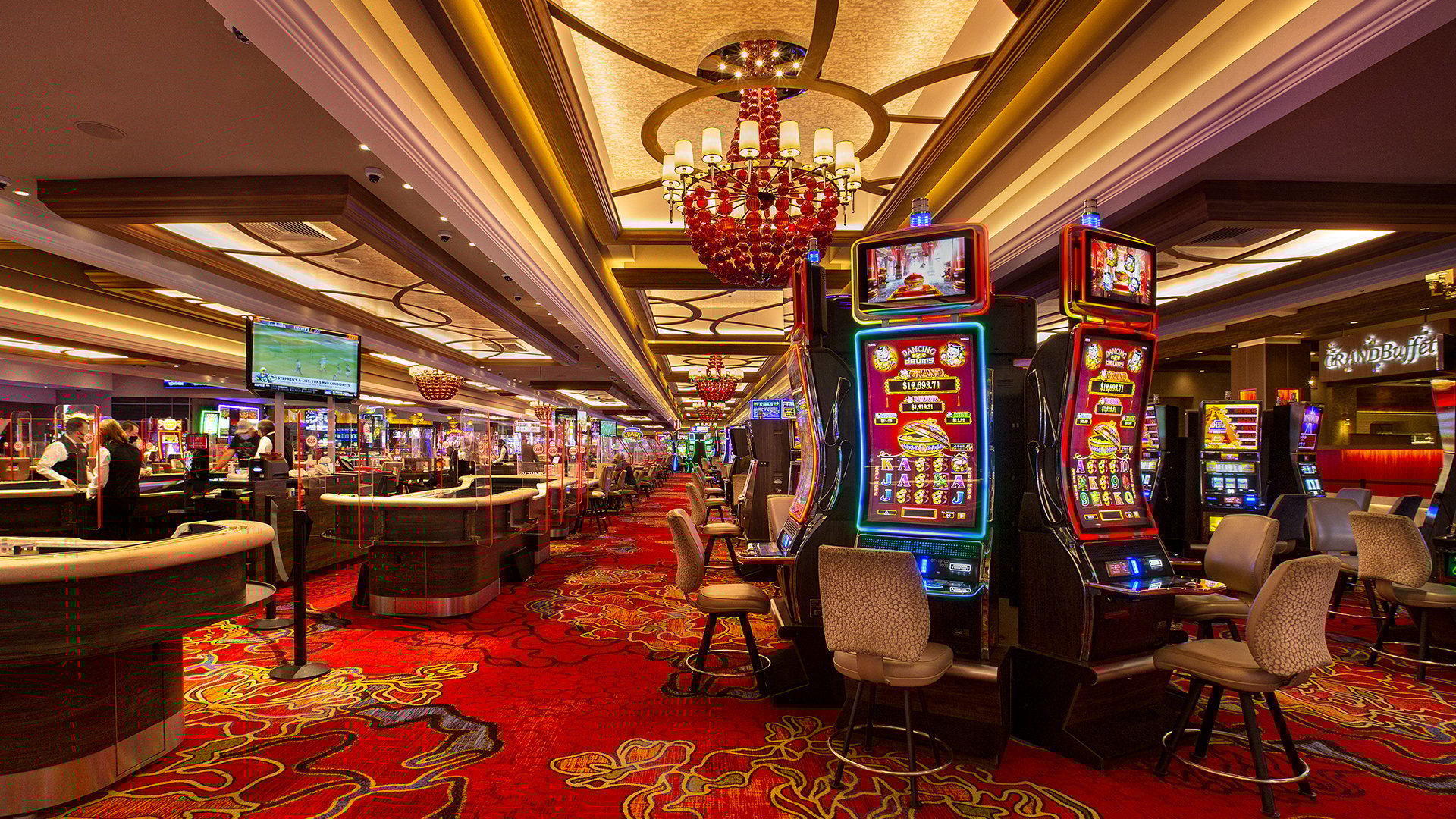
As the modern casino emerged in the 20th century, particularly in Las Vegas, it became a symbol of excess and entertainment. The rise of these destinations reshaped cultural norms around leisure and luxury. The glitz and glamour of casinos attracted millions, turning them into iconic landmarks that further influenced media, fashion, and even lifestyle choices. This intersection of entertainment and gambling laid the groundwork for the modern casino’s role in society.
Today, casinos continue to evolve, integrating technology and new gaming experiences. Their cultural impact extends beyond just gambling; they serve as venues for concerts, events, and tourism. This multifaceted role has solidified casinos as significant contributors to local economies and cultural landscapes, showcasing their enduring relevance in contemporary society.
The Social Dynamics within Casinos
Casinos are not just venues for games; they are social environments where diverse individuals come together. The ambiance of excitement, chance, and camaraderie fosters unique interactions among patrons. Players from various backgrounds gather to share in the thrill of winning, creating a sense of community, even among strangers. This social aspect is often overlooked but plays a crucial role in the casino experience.
Moreover, casinos often promote social interaction through various events and tournaments. These gatherings provide opportunities for both seasoned gamblers and novices to engage, learn, and form connections. The inclusivity of casinos, allowing people from different walks of life to interact, has contributed to the normalization of gambling in many cultures. It challenges stereotypes associated with gambling by highlighting its role as a social activity rather than solely a means of financial gain.
Additionally, the presence of casinos has prompted discussions about responsible gaming and social responsibility. With the rise of gaming addiction concerns, many casinos have taken initiatives to promote responsible gambling practices. This focus on safeguarding patrons not only enhances the social dynamics within the casino but also showcases an evolving understanding of the cultural implications of gambling on society.
The Economic Impact of Casinos
Casinos play a pivotal role in the economic structure of many regions. They generate substantial revenue through taxation, which contributes to local public services and infrastructure development. This financial influx can lead to job creation and tourism growth, benefitting surrounding communities. For many economies, particularly those heavily reliant on tourism, casinos serve as essential economic engines.
Furthermore, the growth of casinos has led to the development of ancillary businesses, including hotels, restaurants, and entertainment venues. These establishments often thrive in proximity to casinos, creating a bustling ecosystem that benefits from the influx of visitors. The symbiotic relationship between casinos and local businesses illustrates how a single industry can transform an area economically and culturally.
However, the economic influence of casinos is not without its challenges. Critics argue that while casinos can boost local economies, they may also lead to increased crime rates and social issues. Balancing economic benefits with social implications is a complex task for policymakers, requiring an understanding of how casinos shape and influence their surrounding environments.
Technology’s Role in Modern Casinos
The advent of technology has revolutionized the casino industry, reshaping how people engage with gambling. Online casinos and mobile gaming platforms have emerged as significant players, allowing users to gamble from the comfort of their homes. This shift has changed the cultural perception of casinos, making them more accessible to a wider audience. With the proliferation of smartphones, gaming has become an integral part of everyday life for many individuals.
Moreover, technology has enhanced the in-person casino experience through innovative gaming options and immersive environments. Virtual reality and augmented reality are being integrated into casino games, providing players with unparalleled experiences. These technological advancements not only attract new players but also retain existing ones by offering them unique and engaging ways to gamble.
Additionally, technology has facilitated responsible gaming through better tracking and monitoring systems. Many casinos now employ advanced data analytics to identify problematic gambling behaviors, allowing them to intervene proactively. This focus on technology-driven solutions reflects an awareness of the need to balance entertainment with responsible gaming practices, further emphasizing the cultural significance of casinos in modern society.
The Cultural Perception of Casinos Today
In contemporary society, casinos are often viewed through a dual lens: as symbols of entertainment and as potential sources of social issues. While many embrace the thrill and excitement of gambling, others express concerns about addiction and its impact on communities. This dichotomy illustrates the complex cultural narrative surrounding casinos, which continues to evolve as societal attitudes shift.
Media representation plays a significant role in shaping public perception of casinos. Movies and television shows frequently depict casinos as glamorous and thrilling, often glossing over the darker aspects of gambling. These portrayals can influence societal attitudes, leading to misconceptions about the realities of gambling and its implications. Understanding this cultural framing is essential for addressing the challenges associated with gambling addiction and responsible gaming.
As society navigates the cultural landscape of casinos, ongoing discussions about regulation, responsible gaming, and social accountability become increasingly relevant. The dialogue surrounding these issues underscores the importance of understanding how casinos impact modern culture and highlights the need for a balanced perspective that recognizes both the entertainment value and the social implications of gambling.

Exploring the Future of Casinos
The future of casinos is poised for further transformation, driven by technological advancements and changing consumer preferences. As online gaming continues to gain popularity, traditional casinos may need to adapt to stay relevant. Hybrid models that combine physical and digital gaming experiences may emerge, catering to a diverse audience seeking both in-person interactions and the convenience of online play.
Moreover, the rise of sustainable practices within the industry reflects a growing awareness of environmental and social responsibilities. Casinos are increasingly adopting eco-friendly initiatives, from energy-efficient buildings to waste reduction programs. This shift not only enhances their public image but also demonstrates a commitment to contributing positively to society.
As casinos evolve, they will likely play a crucial role in shaping cultural narratives around gambling. Emphasizing entertainment, social responsibility, and community engagement will be essential as they seek to redefine their place in modern society. The ongoing dialogue about the role of casinos will continue to shape their influence on culture, economy, and community in the years to come.